August 20, 2026
Municipalities across the globe face monumental challenges regarding underground utility networks. Years of continuous operation leave water and sewer lines vulnerable to cracks, root intrusion, and complete structural failure. These buried systems require constant maintenance to ensure communities receive clean water and proper waste disposal. As building materials degrade, city planners must find effective ways to rehabilitate these essential conduits without causing massive surface disruptions.
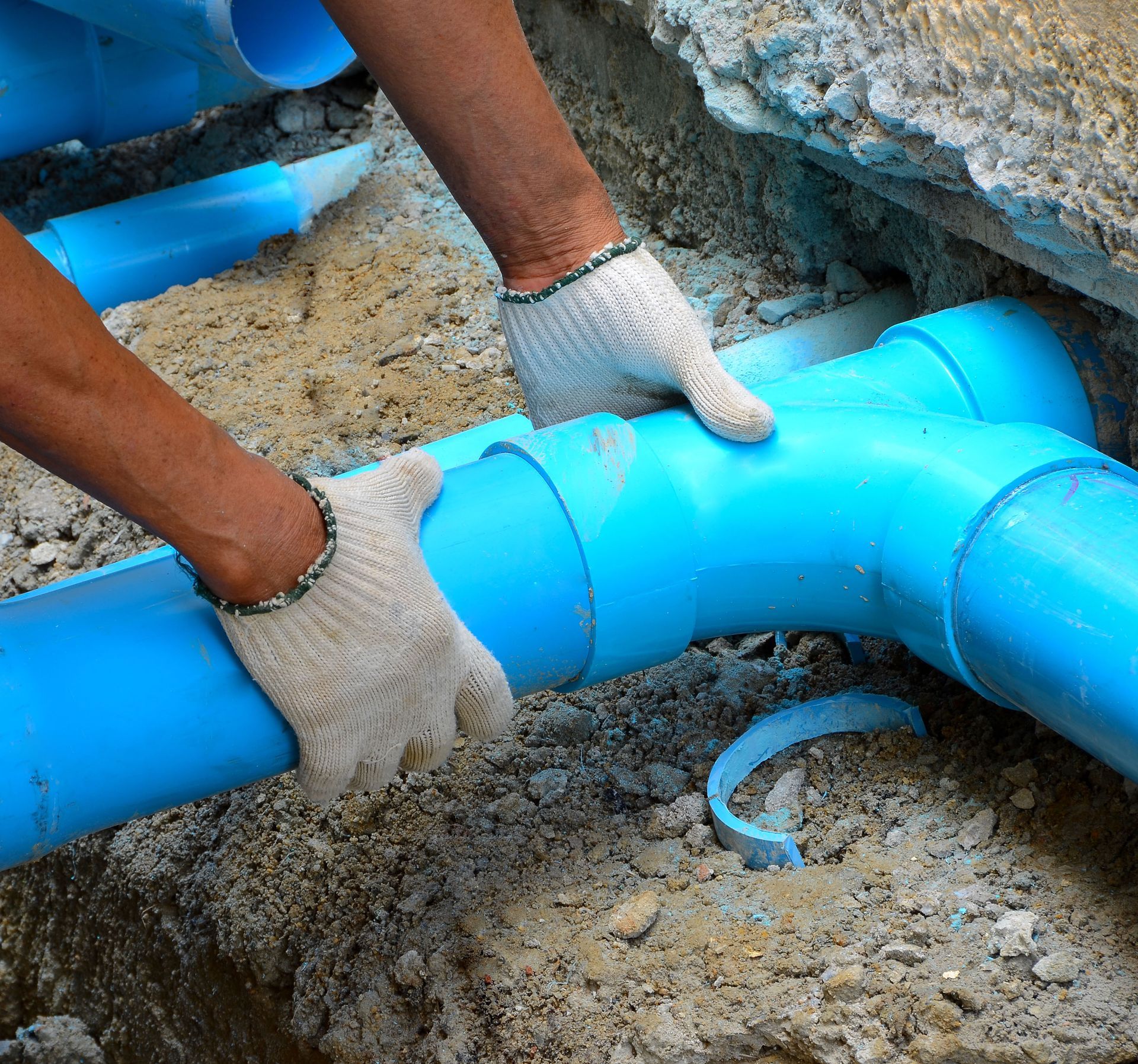
The traditional approach dictates extensive digging, creating deep trenches that destroy roads, sidewalks, and residential landscapes. This outdated method demands massive labor, heavy machinery, and extended project durations. Contemporary technology offers a superior alternative. By utilizing a trenchless pipe repair service, municipalities can restore failing networks while preserving the surface environment. This approach prioritizes efficiency and sustainability for modern infrastructure management.
Recognizing the Vulnerabilities of Aging Networks
Underground conduits experience relentless pressure from soil shifting, temperature fluctuations, and continuous fluid flow. Iron, clay, and concrete materials deteriorate as chemical reactions and physical stress take a toll. Deterioration leads to microscopic fractures that expand over time. When left unaddressed, these minor issues evolve into catastrophic main breaks that disrupt neighborhoods and cause massive property damage.
The magnitude of water loss due to these vulnerabilities remains a critical concern for environmentalists and civil engineers. Leaking systems waste precious resources and strain municipal budgets. According to the American Society of Civil Engineers' 2025 Infrastructure Report Card, aging water infrastructure causes an estimated 6 billion gallons of treated water to be lost every day in the United States. Addressing this massive leakage requires immediate and effective intervention to conserve vital liquid resources.
In past eras, fixing these leaks required tearing up streets to access the damaged sections. Excavation poses massive logistical nightmares for urban centers. Road closures halt commerce and frustrate commuters who rely on clear roadways. The environmental cost of replacing asphalt and concrete adds to the negative impact of traditional digging methods.
A paradigm shift in maintenance strategies focuses on rehabilitation from within the conduit. By evaluating the interior condition using specialized cameras, technicians pinpoint the exact location of structural failures. This precise diagnostic phase eliminates guesswork and sets the stage for a targeted response. Repair crews can deploy solutions that seal leaks and reinforce structural integrity without breaking the ground.
Understanding the Mechanics of Underground Solutions
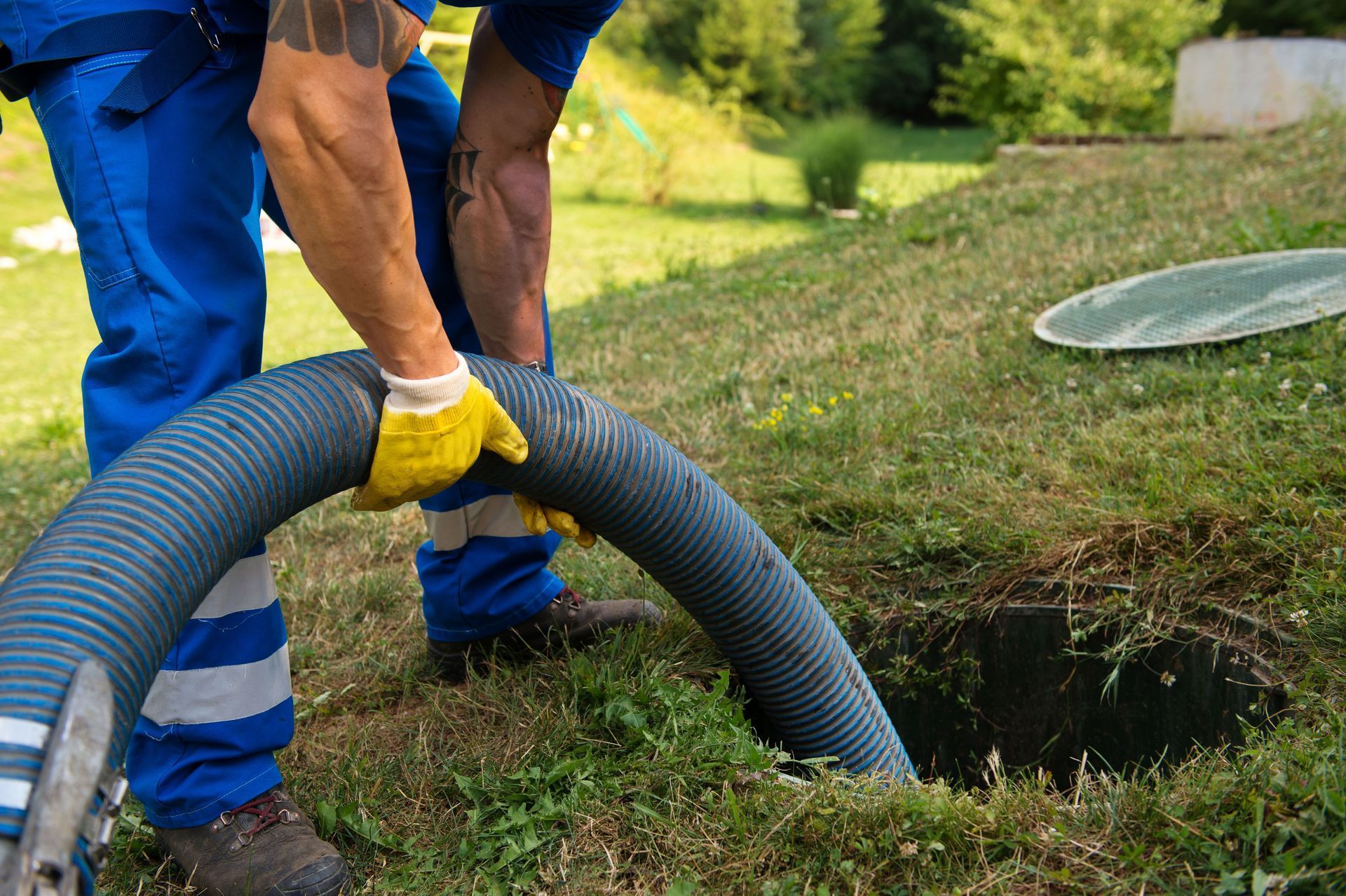
The foundation of this modern methodology lies in accessing the damaged network through existing entry points. Manholes and cleanouts provide sufficient access for specialized equipment. Crews clear the interior surfaces, removing calcification, tree roots, and sediment. This thorough preparation ensures a smooth surface for the subsequent rehabilitation phases.
Cured-in-place lining represents a cornerstone technique in modern restoration. Technicians insert a flexible, resin-saturated tube into the damaged conduit. Once positioned, they inflate the tube and cure the resin using ambient heat or ultraviolet light. The result forms a resilient, seamless pipe within the old structure. Opting for a trenchless pipe repair service provides this seamless integration.
Another technique involves bursting the old conduit while pulling a high-density polyethylene replacement into the same space. A hardened steel bursting head shatters the fragile outer material and pushes the fragments into the surrounding soil. This technique expands the capacity of the network while minimizing surface excavation.
These methods share a common goal: restoring flow and integrity with minimal surface interference. The machinery required for insertion and curing operates from small access pits rather than long trenches. This compact footprint allows crews to work in dense urban environments or delicate residential zones without causing extensive collateral damage to the surroundings.
Evaluating the Advantages for Municipal Systems
City administrators prioritize solutions that maximize public funds while minimizing negative community impacts. Underground restoration achieves both goals. The reduction in heavy machinery usage lowers fuel consumption and decreases harmful carbon emissions. Preserving existing roads prevents the need for massive repaving projects, saving raw materials and energy. Conserving these resources aligns with modern environmental initiatives and helps local governments meet sustainability targets without sacrificing infrastructure reliability.
The financial benefits extend beyond direct construction costs. By choosing a trenchless pipe repair service, local governments avoid the substantial expenses associated with surface restoration. Repairing roads, replanting trees, and rebuilding sidewalks tend to cost more than the plumbing work itself. Eliminating these secondary expenses makes modern rehabilitation a prudent fiscal choice. Taxpayer funds can then be redirected toward other critical community services rather than being buried in unnecessary excavation repairs.
Community disruption ranks high among the concerns during infrastructure projects. Traditional digging paralyzes traffic, restricts access to local businesses, and creates noise pollution. Modern methods keep intersections open and commerce flowing. Citizens experience fewer delays and less frustration, making these projects more palatable to the public. Maintaining steady traffic flow prevents the economic losses that occur when customers cannot reach storefronts due to massive construction blockades.
The materials used in these internal linings offer exceptional longevity. Resins and high-density plastics resist corrosion and repel tree roots. The smooth interior surfaces improve flow capacity, reducing the strain on pumps and treatment facilities. A trenchless pipe repair service delivers a permanent structural upgrade rather than a temporary patch. Upgraded networks can handle increased volume, accommodating population growth without requiring a complete overhaul of the underground system.
Assessing the Value for Residential Properties
Homeowners face similar challenges when lateral sewer lines fail. Roots invade joints, and shifting soil creates bellies in the line. A traditional replacement destroys manicured lawns, paver driveways, and mature trees. The prospect of ruined landscaping delays necessary maintenance, leading to worse backups and potential interior flooding. Property owners dread the visual and financial devastation caused by backhoes tearing through custom stonework and established gardens.
The non-invasive nature of internal lining appeals to property owners who wish to preserve their investments. A trenchless pipe repair service can rehabilitate a failing lateral line from a small access point. This precision saves the homeowner from hiring landscape architects and masonry contractors to fix the aftermath of a deep excavation. By keeping the surface intact, homeowners avoid the stress of coordinating various repair crews just to restore their yard to its former state.
Speed constitutes another major advantage for residential applications.
Traditional digging can drag on for extended periods, leaving yards looking like disaster zones and restricting plumbing usage. Internal lining tends to reach completion within hours. Residents regain full use of their facilities with speed, minimizing the inconvenience of maintenance. A rapid return to normalcy proves invaluable for busy households that cannot tolerate prolonged interruptions to basic sanitary functions.
Health and safety improve when using non-invasive techniques. Open trenches pose a fall hazard for children and pets. Digging can disturb buried toxins, asbestos, or lead. By keeping the work contained within the existing conduit, contractors mitigate these risks and ensure a safer environment for the neighborhood. Avoiding surface soil disruption prevents airborne dust particles from triggering respiratory issues for nearby residents and bypassers.
The deterioration of subterranean utility networks presents a monumental challenge for modern society. Decaying materials, shifting earth, and constant use contribute to a massive loss of resources and frequent structural failures. Traditional excavation methods are too disruptive, expensive, and slow to meet the demands of large-scale infrastructure renewal. A progressive approach is necessary to secure the future of municipal water and waste management. The status quo of endless digging cannot sustain the growing needs of expanding populations.
Embracing innovative technology provides the clearest path forward. Utilizing a trenchless pipe repair service empowers cities and homeowners to rehabilitate essential networks without destroying the surface environment. Modern problem-solving demands modern tools, and internal pipe rehabilitation stands as the premier choice. When you are ready to restore your aging plumbing without the hassle of excavation, contact us at Roto-Rooter Sewer & Drain Service. We proudly provide a trenchless pipe repair service designed to completely fix your system while preserving your property.